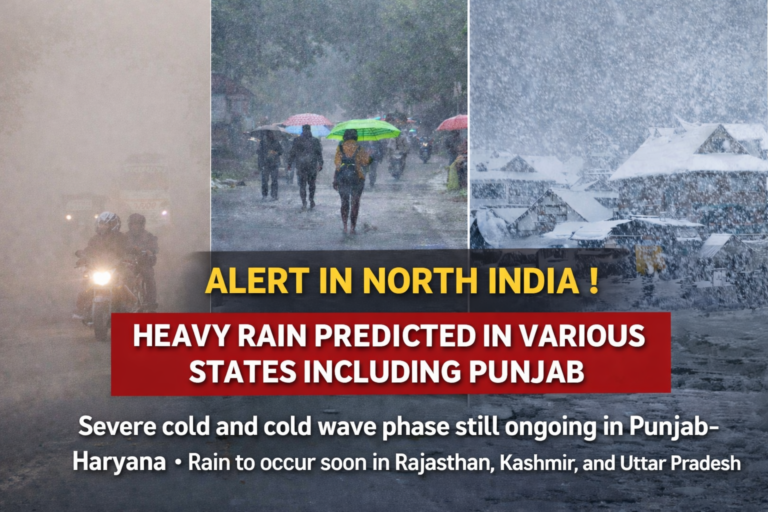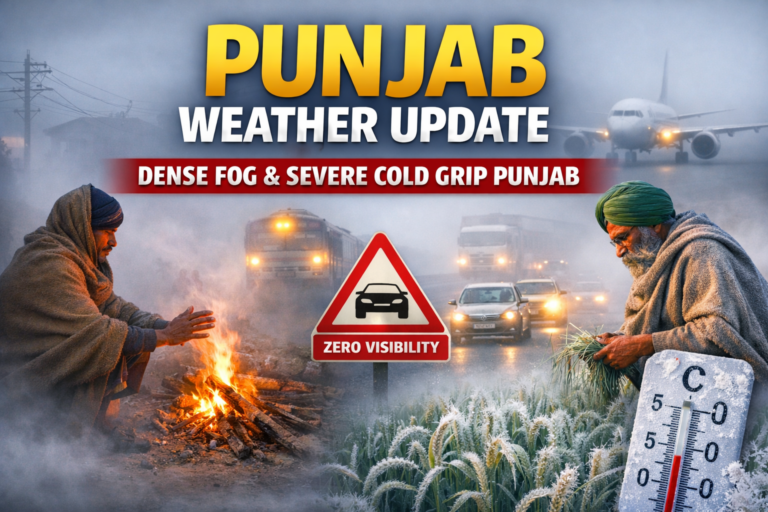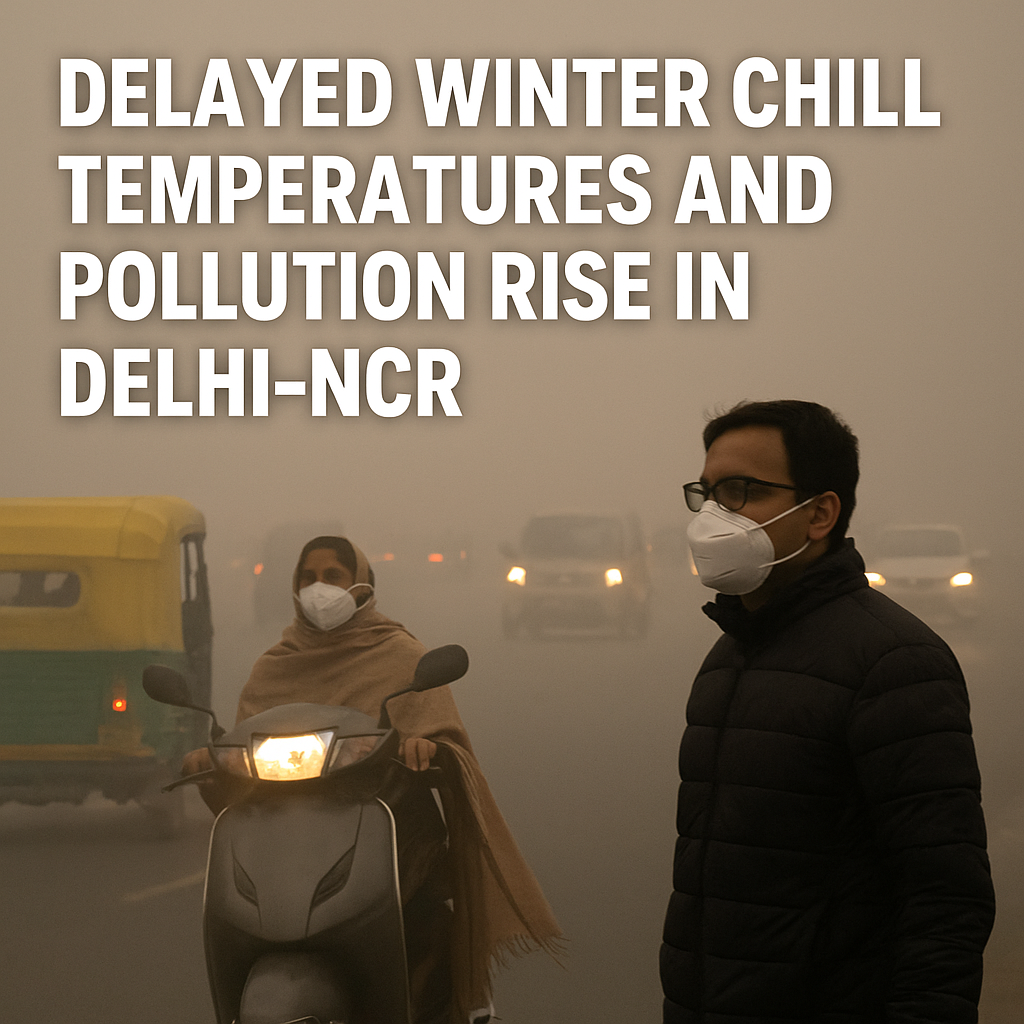
Residents navigate dense smog in Delhi-NCR as winter delays and pollution levels surge, creating hazardous air conditions.
Winter Missing in Delhi-NCR: Unusual December Warmth and Toxic Smog Raise Public Health Concerns
Residents of Delhi and the National Capital Region (NCR) are witnessing an unusual weather pattern this December. The expected winter chill has yet to set in, temperatures are consistently higher than normal, and thick layers of fog mixed with pollution have created hazardous air conditions. As a result, meteorologists, environmental experts, and citizens alike are expressing concern over this unexpected shift.
Where Has Winter Gone?
According to the India Meteorological Department (IMD), Delhi’s average minimum temperature in December usually dips to around 7–8°C. However, this year the minimum temperature has been hovering between 12–14°C — significantly above the seasonal norm. Experts attribute this rise to a combination of global and regional climatic factors, including the influence of El Niño, weakened western disturbances, and below-normal snowfall in the Himalayan region. These factors have collectively prevented the flow of cold northwesterly winds into northern India.
The result is a December that feels more like late autumn than peak winter, leaving many wondering if climate change is now directly shaping the region’s seasonal patterns.
Fog + Pollution = A Dangerous Smog Layer
Fog in winter is not new to Delhi-NCR, but the haze residents are experiencing this year is mostly smog — a toxic blend of fog and pollutants. Visual clarity drops sharply during morning and evening hours, yet the greater concern lies in the Air Quality Index (AQI), which has been fluctuating between 350 and 450, firmly in the “severe” category.
Doctors warn that the fine particulate matter trapped in smog can penetrate deep into the lungs, triggering breathing difficulties, severe coughing, allergies, chest congestion, heart complications, and eye irritation. Vulnerable groups such as children, the elderly, and individuals with pre-existing respiratory conditions face the highest risks.
Daily Life Disrupted
For many in Delhi-NCR, this weather change has added a layer of discomfort and anxiety. School-going children struggle with morning smog and pollution, while office commuters report that they now wear masks not because of fog but to protect themselves from toxic air. “Winter hasn’t arrived, but pollution definitely has,” say several residents who feel the city’s air is becoming harder to breathe with each passing day.
Even indoor environments are affected, with many families relying heavily on air purifiers. Health professionals have reported an increase in patients suffering from respiratory infections and seasonal allergies.
Experts Sound the Alarm
Environmental analysts argue that Delhi-NCR’s chronic pollution crisis has reached a stage where seasonal weather patterns are no longer able to disperse harmful pollutants. Without strong winter winds or adequate temperature dips, the pollutants remain suspended in the air for longer durations.
Experts warn that if stringent pollution-control measures are not implemented soon, the coming years could witness even more severe winter pollution episodes. The absence of a “clean-up process,” usually delivered by cold, dense winter air, has made the situation more critical this season.
Will the Cold Arrive Soon?
The IMD has predicted a gradual dip in temperatures in the coming week, though it maintains that this winter is unlikely to be as cold as previous years. Meteorologists believe that the patterns observed this December may indicate a long-term shift influenced by global climate change, potentially altering northern India’s winters in the future.
Precautions for Residents
To reduce health risks amid the hazardous air:
- Wear N95 masks when stepping outdoors
- Avoid exercising outdoors in the early morning or late evening
- Use air purifiers at home where possible
- Reduce use of private vehicles
- Avoid activities that produce smoke, such as burning waste
About the Author