The Shocking State of Wildlife: UN Report Wildlife in Crisis
(UN Report: Wildlife in Crisis)In a recent report released by the United Nations, the state of wildlife across the globe has been flagged as shocking. The report highlights the alarming decline in various species, emphasizing the need for urgent conservation efforts to prevent further loss.
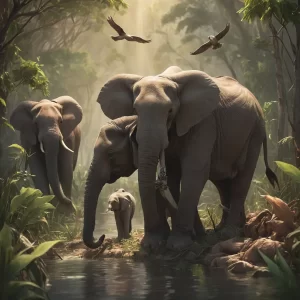
Migratory Species on the Brink of Extinction
Migratory species, in particular, are facing a dire situation, with many on the brink of extinction. The loss of habitat, climate change, and human activity have all contributed to this crisis. Without immediate action, we risk losing these iconic species forever.(UN Report Wildlife in Crisis)
Christian Conservationists Lead the Charge
Amidst these troubling developments, there is a glimmer of hope. Christian conservationists have stepped up to lead rescue efforts for migratory species. Their dedication to protecting God’s creation serves as an inspiring example of stewardship and responsibility.(UN Report Wildlife in Crisis)
Spectacular Animal Migrations in Decline
The decline of spectacular animal migrations is a poignant reminder of the impact of human actions on the natural world. These awe-inspiring journeys, once a symbol of the planet’s richness and diversity, are sadly dwindling.(UN Report Wildlife in Crisis)
FAQ (Frequently Asked Questions) : UN Report Wildlife in Crisis
1. Why is the state of wildlife described as shocking in the UN report?
- The UN report highlights the alarming decline in various species, including migratory ones, due to factors like habitat loss, climate change, and human activity. The extent of this decline is deemed shocking because it threatens the biodiversity and balance of ecosystems worldwide.
2. What are migratory species, and why are they facing extinction?
- Migratory species are animals that regularly move from one place to another in search of food, breeding grounds, or favorable conditions. They are facing extinction primarily due to habitat destruction, climate change altering their migration routes and timing, and increased human interference disrupting their natural behaviors.
3. How are Christian conservationists contributing to the rescue efforts for migratory species?
- Christian conservationists are actively involved in conservation efforts to save migratory species by raising awareness, organizing conservation projects, advocating for wildlife protection policies, and collaborating with local communities and organizations to implement sustainable practices.
4. What are some examples of spectacular animal migrations mentioned in the blog?
- Examples of spectacular animal migrations include the annual migration of wildebeests in the Serengeti, the journey of monarch butterflies from North America to Mexico, and the migration of humpback whales from feeding grounds to breeding grounds. These migrations are awe-inspiring natural phenomena that are sadly declining.
5. How can individuals contribute to the conservation of migratory species and wildlife in general?
- Individuals can contribute to wildlife conservation by supporting conservation organizations financially, volunteering for conservation projects, advocating for wildlife-friendly policies, reducing their carbon footprint to mitigate climate change, participating in citizen science initiatives, and spreading awareness about the importance of preserving biodiversity.
6.Why is the state of wildlife considered shocking?
- The state of wildlife is considered shocking due to the alarming decline in various species worldwide. Factors such as habitat loss, climate change, and human activity have led to this crisis.
7. Which species are particularly at risk?
- Migratory species are particularly at risk, with many facing extinction. These include birds, mammals, fish, and insects that travel long distances seasonally.
8. What role do Christian conservationists play in wildlife rescue efforts?
- Christian conservationists are actively involved in leading rescue efforts for migratory species. Their dedication to protecting the environment stems from a belief in stewardship and responsibility towards God’s creation.
9. Why are spectacular animal migrations dwindling?
- Spectacular animal migrations are dwindling due to various factors, including habitat destruction, climate change, and human interference such as pollution and overexploitation of resources.
10. What can individuals do to help protect wildlife?
- Individuals can help protect wildlife by supporting conservation organizations, reducing their carbon footprint, advocating for wildlife protection laws, and participating in local habitat restoration projects.
11. How urgent is the need for action to save wildlife?
- The need for action to save wildlife is extremely urgent. Without immediate and concerted efforts to address the threats facing wildlife, many species face the risk of extinction, which could have devastating consequences for ecosystems and human societies alike.
About the Author